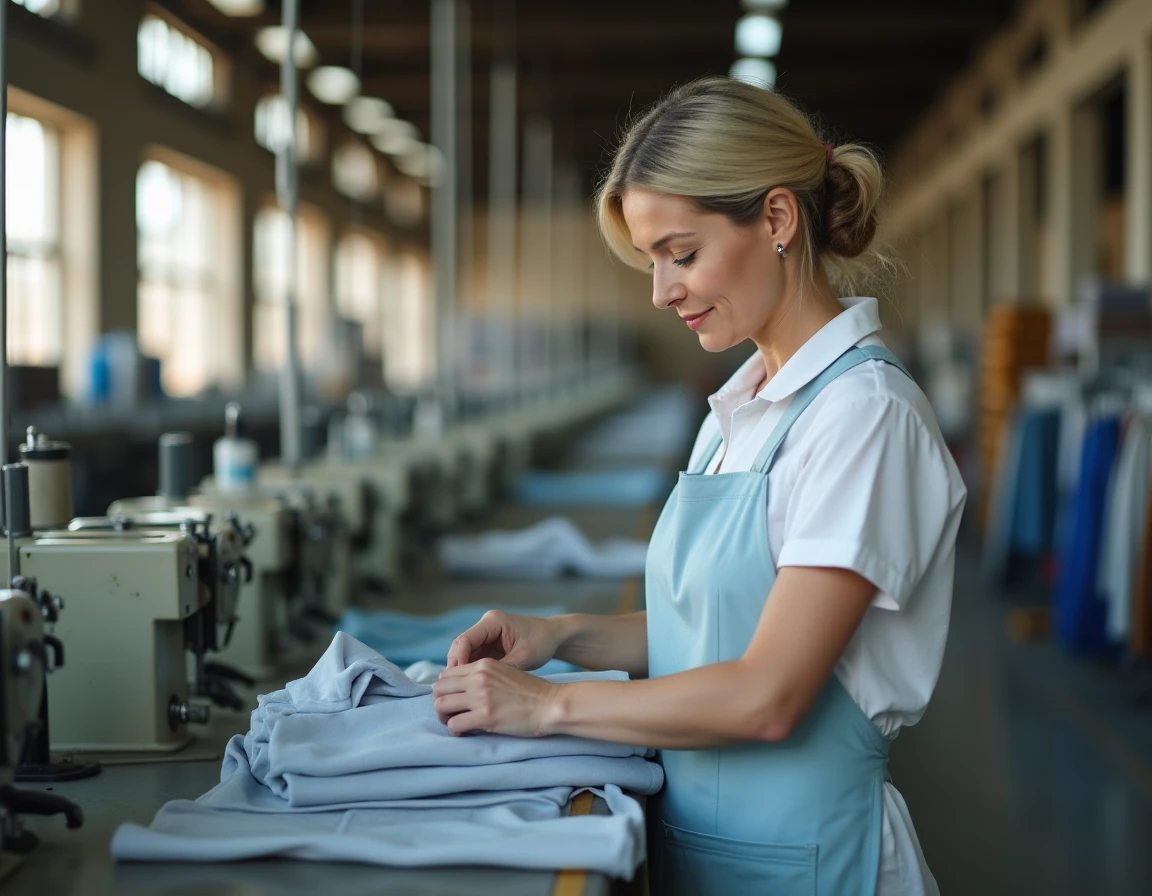
Camaïeu sold millions of women’s ready-to-wear pieces for over three decades, with most of its customers unaware of where their clothes were made. Following the judicial liquidation in 2022 and the acquisition of the brand by the Celio group, the question of Camaïeu’s clothing production returns with a new dimension: that of textile traceability and the relocation of production.
Camaïeu Textile Production: What the Labels Didn’t Say
Before its disappearance, Camaïeu operated like almost all mid-range ready-to-wear brands in France. The vast majority of production was outsourced, primarily to Asia and the Mediterranean basin (Turkey, Tunisia, Morocco). The labels indicated a country of manufacture, rarely the name of the factory or the working conditions.
This model was nothing exceptional. Almost all clothing sold in France is made abroad, and Camaïeu was no exception to this structural rule of the textile industry. Raw materials (cotton, polyester, viscose) passed through several countries before final assembly, making the supply chain particularly opaque.
As detailed in Camaieu’s story on Style Papers, this organization of production responded to a logic of low prices and rapid collection turnover, at the expense of transparency regarding the actual origins of the pieces.
Acquisition by Celio and Brand Relaunch: What Impact on Production
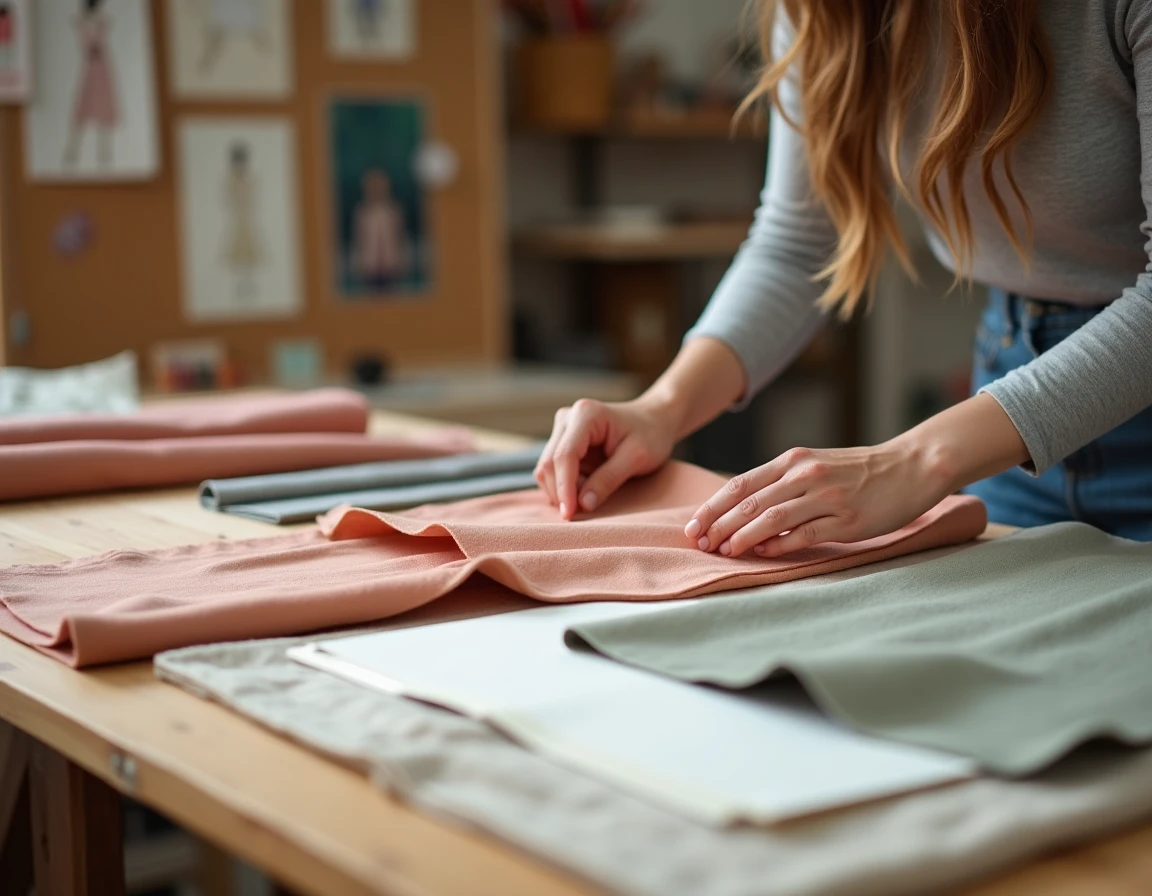
The Celio group acquired the Camaïeu brand after the 2022 liquidation, with the goal of relaunching online collections. The first pieces were marketed in 2023-2024, according to a strategy based on a more limited offer and more controlled volumes.
This repositioning changes the game in terms of manufacturing. When a brand reduces the number of references and the quantities produced, it can theoretically better control its suppliers. The available data does not allow for conclusions about the factories actually utilized by the new version of Camaïeu, nor about the potential share of French production.
The Made in France Project: Ambition or Reality
Even before the acquisition by Celio, another project surfaced in late 2022: that of two entrepreneurs who envisioned making Camaïeu a brand manufactured in France. The plan relied on a network of French workshops, with production costs higher than the European average and a development horizon of ten to fifteen years.
This scenario did not materialize in this form. However, it publicly raised the question of the feasibility of relocated textile production for a mass-market brand. The additional cost of French manufacturing remains the main obstacle for a brand historically positioned on accessible prices.
Textile Traceability and European Regulatory Pressure
The relaunch of Camaïeu occurs in a context where the traceability of clothing is becoming a major regulatory issue. Several competing brands positioned in the same segment (Jules, Kiabi, Gémo) have been communicating more about their supply chains since 2023, under the combined pressure of NGOs and the upcoming European regulation on duty of vigilance.
The reports published by Fashion Revolution France and the Collectif Éthique sur l’étiquette in 2023-2024 document this increase in demands. For a brand like Camaïeu that is being relaunched, this concretely means:
- The eventual obligation to communicate about the countries of manufacture, audited factories, and the raw materials used (cotton, synthetic fabric, blends)
- Increased control of production conditions at subcontractors, with verifiable social and environmental audits
- The necessity to meet consumer expectations regarding the quality and care of the pieces, which are becoming purchase criteria linked to sustainability
This regulatory pressure affects all brands, not just Camaïeu. Field feedback varies on this point: some brands publish complete lists of suppliers, while others limit themselves to statements of intent.
Raw Materials and Textile Quality: What Distinguishes a Credible Relaunch
Beyond the location of factories, the manufacturing of a garment depends on the choice of materials and the rigor of the production process. Cotton, polyester, and viscose represent the overwhelming majority of fabrics used in mid-range women’s ready-to-wear.
To assess the credibility of a relaunch like that of Camaïeu, several technical criteria matter:
- The origin of the cotton (conventional, organic, recycled) and its potential certification
- The dyeing and washing processes used, which determine water consumption and color fastness over time
- The weight and density of the fabric, which directly influence the durability of the pieces in use and care
- Transparency regarding the exact composition of fiber blends
A well-made garment is recognized by its performance after several washes, not by its price on the rack. Previous Camaïeu collections were often criticized for a disappointing quality-price ratio on certain basic pieces. The relaunch by Celio, with reduced volumes, could allow for better control of these production parameters.
The Limits of What We Know Today
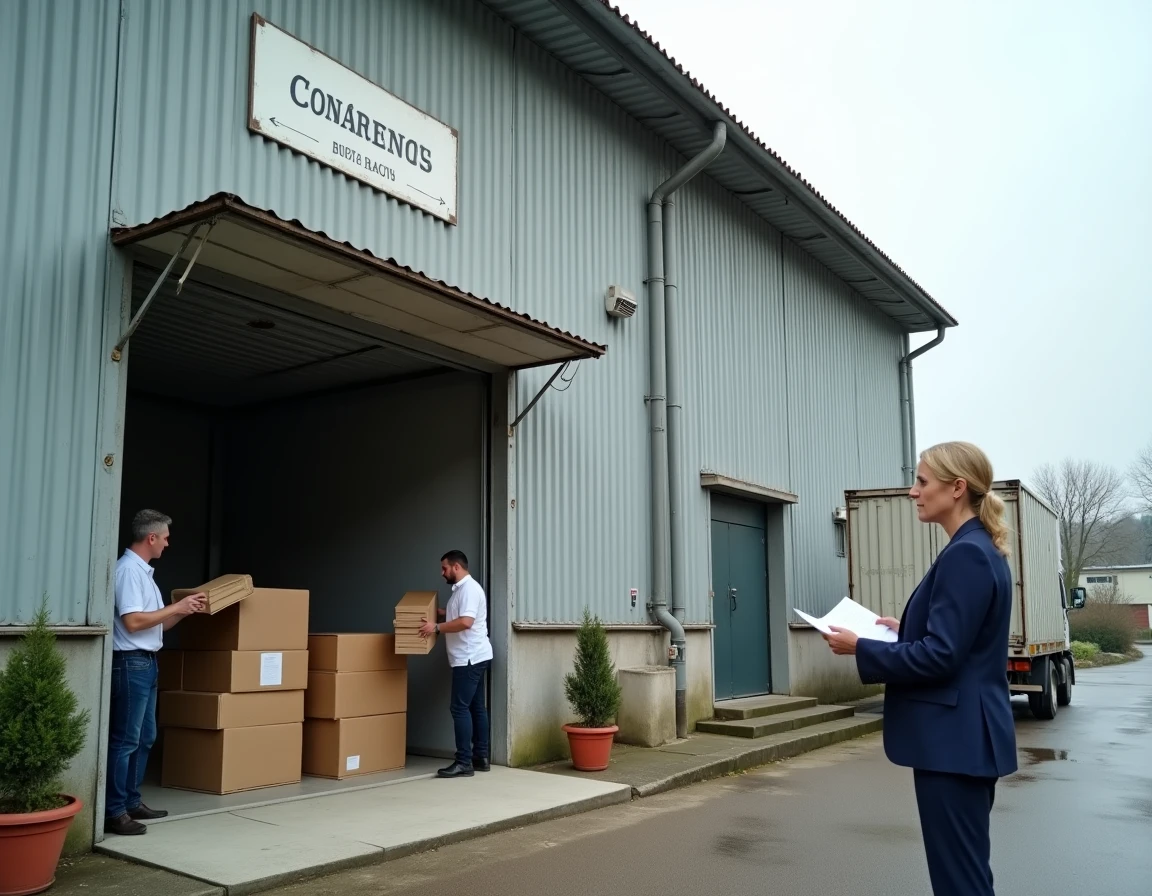
Public information about the production chain of the new version of Camaïeu remains fragmented. Neither the Celio group nor specialized media have published a detailed mapping of the suppliers mobilized for the relaunched collections to date. The opacity regarding manufacturing locations persists, placing the brand in the same situation as most of its competitors.
The French textile industry is undergoing a period of reorganization where promises of relocation and traceability are multiplying, without concrete evidence always following at the same pace. For Camaïeu, the manufacturing of clothing remains an open subject, with answers depending on the industrial choices that Celio will make public in the coming months.