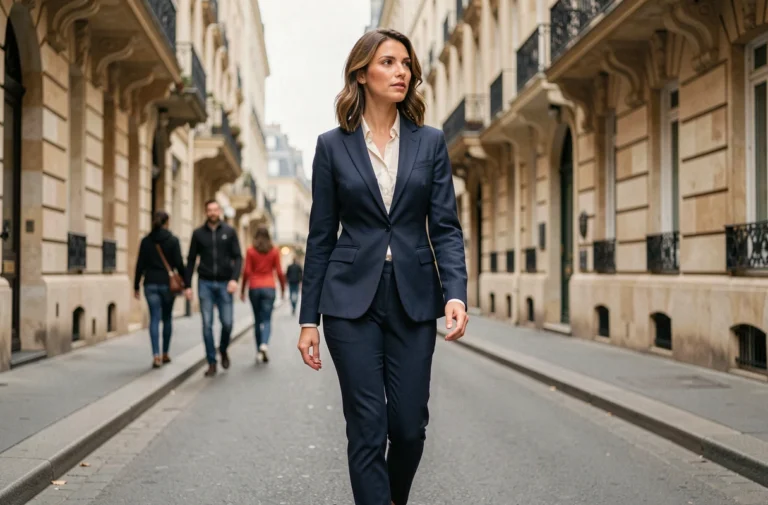
Wearing a hat with bangs often leads to the same scene: you adjust the headgear, check in the mirror, and the bangs appear flattened, deformed, or stuck to the forehead. The problem doesn’t come from the hat itself, but from the combination of the crown shape, the pressure of the front brim, and the type of bangs.
Feathered bangs do not react at all like thick straight bangs under the same beret. Adapting the choice of hat to the texture and cut of your bangs radically changes the result.
Flattened bangs under the hat: understanding the mechanism before choosing
Most disappointments stem from a single factor: the compression exerted by the inner band of the hat on the top of the forehead. On straight, dense bangs, this pressure creates a visible horizontal mark as soon as the headgear is removed. With curtain bangs, the problem is different: the side strands are pushed back and lose their natural movement.
You can find fashion advice on Actu Mode detailing how each type of bangs reacts differently to the pressure of a hat. The key is to choose a model whose crown does not press directly on the forehead area.
Hairdressers and specialized milliners now recommend invisible fixing accessories (mini flat clips, transparent silicone tape, micro Velcro) to keep the bangs in place under the hat. These fixings prevent marks and maintain natural movement after removal, unlike traditional metal clips that crush volume.
Feathered bangs and textured hair: why the soft fedora wins
Since the rise of “airy bangs” on wavy and curly hair in salons, hairstylists have been directing clients towards hats with soft brims and higher crowns. The soft fedora or floppy bob allows curly bangs to reposition without frizz once the hat is removed.
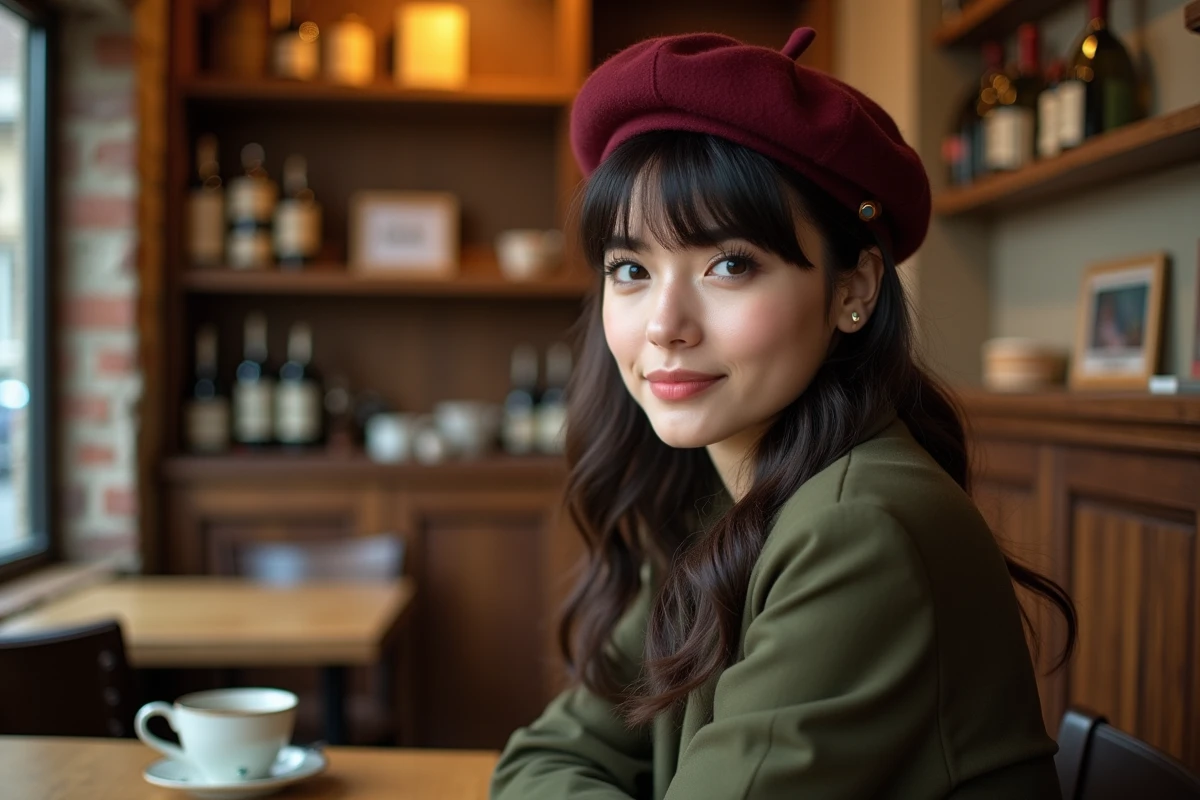
A rigid beret or a very fitted beanie, on the other hand, compresses the front curls. The result: strands pointing in all directions or falling flat. Avoiding overly tight brims on textured bangs remains the most reliable on-the-ground advice.
Thick straight bangs: high crown and raised brim
With thick straight bangs, the constraint is the opposite. You want a hat that doesn’t touch the bangs at all. Hats with crowns positioned slightly back and raised brims at the front work well, as they leave the forehead clear without flattening the strands.
Independent hat shops are seeing a strong demand for “bang-friendly hats”: slightly raised brims at the front, adjustable and less compressive inner bands, and recessed crowns. Some workshops are adapting their patterns to account for this specific hair criterion.
Curtain bangs: wear the hat back
Curtain bangs, parted in the center with strands framing the face, can support most hats as long as they are positioned correctly. The hat should be pushed back on the head to allow the strands to fall freely on either side.
The medium-brimmed panama and fedora are the best allies for this style. The bob also works, provided it doesn’t sit too low on the forehead.
Styling before the hat: the preparation that changes everything
Feedback from specialized ceremony salons confirms one point: a “pre-styled” bang before putting on the hat yields much better results than just brushing. The bangs are worked with a light blow-dry or texturizing spray before putting on the headgear. This way, the bangs maintain their shape even after several hours.
Here are the steps that make a difference when preparing your bangs:
- Apply a dry texturizing spray to the bangs before putting on the hat, to give grip to the strands and prevent them from slipping under pressure
- Use transparent silicone tape along the roots to fix the direction of the bangs without leaving a visible mark
- Blow-dry the bangs in the desired direction, then let them cool completely before putting on the hat (residual heat softens the styling)

Bob, beret, beanie: which hat according to hair length and bangs
The length of the hair alters the visual balance of the hat. With short hair and bangs, a beret worn tilted to the side lifts the bangs without crushing the overall volume. With long, straight hair, a wide-brimmed sun hat creates a frame around the face that highlights the bangs.
The combinations that come up most often in hairdressers’ recommendations:
- Short hair with feathered bangs: soft beret worn back, short-brimmed newsboy cap
- Medium-length hair with curtain bangs: medium-brim fedora, panama in summer, structured bob
- Long hair with straight bangs: sun hat, high-crowned hat with a raised front brim
- Curly hair with “airy” bangs: soft canvas bob, soft fedora with a high crown
Feedback varies on this point depending on the natural thickness of the hair. Fine hair requires a lightweight hat that does not crush volume, while thick hair can better support structured models.
Face shape and bangs: adjusting the brim of the hat
A round face with straight bangs gains structure with an asymmetrical-brim fedora. A square face is visually softened with a wide, soft-brimmed hat, especially if the bangs are long and feathered. The oval face remains the most versatile and accommodates most hat shapes.
The reflex to keep: try the hat on with the bangs styled as you would daily, never with hair pulled back. The look in-store should match the reality of wearing. A beautiful hat without bangs can produce a radically different effect once the bangs are in place.