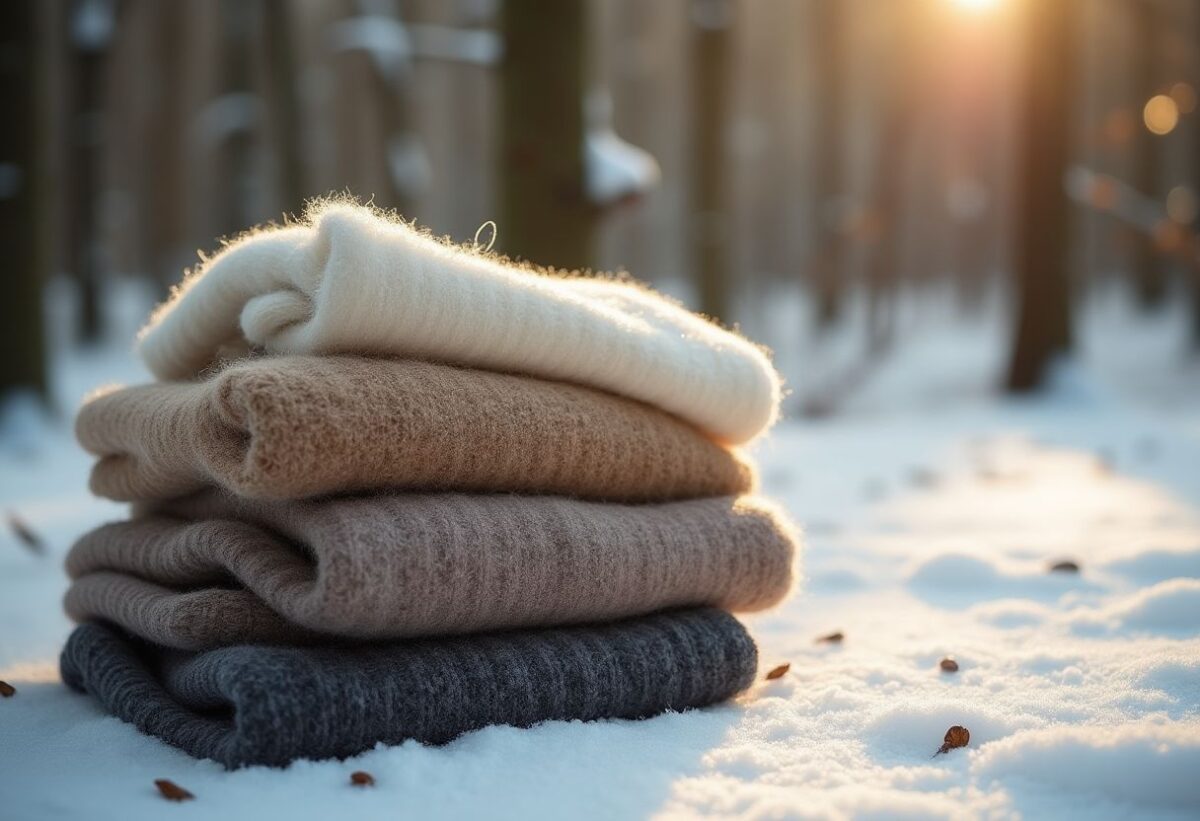
Many people seek the enveloping warmth of a wool sweater in winter. However, many hesitate to wear it due to the itching often associated with this natural material. Wool, appreciated for its insulating properties, can cause discomfort on the skin. But is it possible to enjoy its benefits without experiencing discomfort? The secret lies in choosing the right fibers and proper maintenance. For all lovers of warm clothing who care about their comfort, it is essential to understand the characteristics of the different varieties of wool and the tips to minimize irritation.
Understanding the Different Varieties of Wool
Wool, this natural and insulating material, presents an astonishing diversity depending on its origin. Each type of wool offers its own characteristics and advantages in terms of comfort and warmth.
First of all, merino wool is often favored for its softness and lack of itching. It comes from merino sheep, known for their fine and delicate fleece. This wool is ideal for sensitive skin.
Next, cashmere stands out for its lightness and luxurious nature. Although more expensive, it provides an unparalleled softness, perfect for garments worn next to the skin.
Mohair, derived from Angora goats, offers a silky texture and effective insulation. When well-maintained, it adds a touch of elegance without causing irritation.
Finally, alpaca wool proves to be an excellent alternative for those seeking warmth without compromising on comfort. Slightly denser, it is soft and hypoallergenic.
Choosing the Right Garment and Maintaining It
Choosing the right wool garment is essential to enjoy its qualities while avoiding skin discomfort. Special attention must be paid to its maintenance.
- Favor fine natural fibers: the finer the fibers, the less likely they are to cause itching. Opt for tightly woven and soft-to-the-touch fabrics.
- Check the composition: ensure that the garment is made of a high percentage of quality wool, such as merino or cashmere.
- Proper maintenance: wash wool garments by hand or in the machine on a delicate cycle. Use specific detergents for wool to preserve their softness.
- Natural drying: avoid hanging wet wool garments, as this can distort them. Lay them flat on a towel to dry naturally.

Practical Tips to Avoid Irritation
For those who still dread itching, a few practical tips can transform the experience of wearing wool into an absolute pleasure.
- Wear a base layer: a simple solution is to wear a cotton or silk t-shirt under the wool sweater, thus protecting the skin from irritating fibers.
- Soften the wool: using fabric softener during washing can make the wool softer and more pleasant to the touch.
- Soften with white vinegar: a white vinegar rinse after washing can help soften the fibers and eliminate detergent residues.
- Test before buying: if you are particularly sensitive, test the wool by placing it on your cheek before purchase. This will give you an idea of its softness.
Alternatives to Traditional Wool
In the face of itching, some may consider alternatives to wool without sacrificing warmth and style. Textile innovations offer new and interesting perspectives.
Modern synthetic fibers, such as polyester or acrylic, are often designed to mimic the warmth of wool without causing irritation. These materials can be effective in garments like a men’s puffer jacket, combining lightness and insulation.
Blends of wool and natural fibers, such as cotton, offer a soft and comfortable alternative. These blends retain insulating properties while being softer to the touch.
Finally, technical fabrics, often used in sportswear, feature optimal thermal characteristics and are designed to minimize irritation while ensuring effective body temperature regulation.
Wearing a wool garment without fearing itching is entirely achievable with the right choices. By understanding the variety of wools, selecting the right pieces, and carefully maintaining them, it is possible to enjoy the warmth and comfort of this natural fiber. For those who prefer to avoid any irritation, modern and innovative alternatives exist, offering elegant and practical solutions. Winter has never been so cozy!