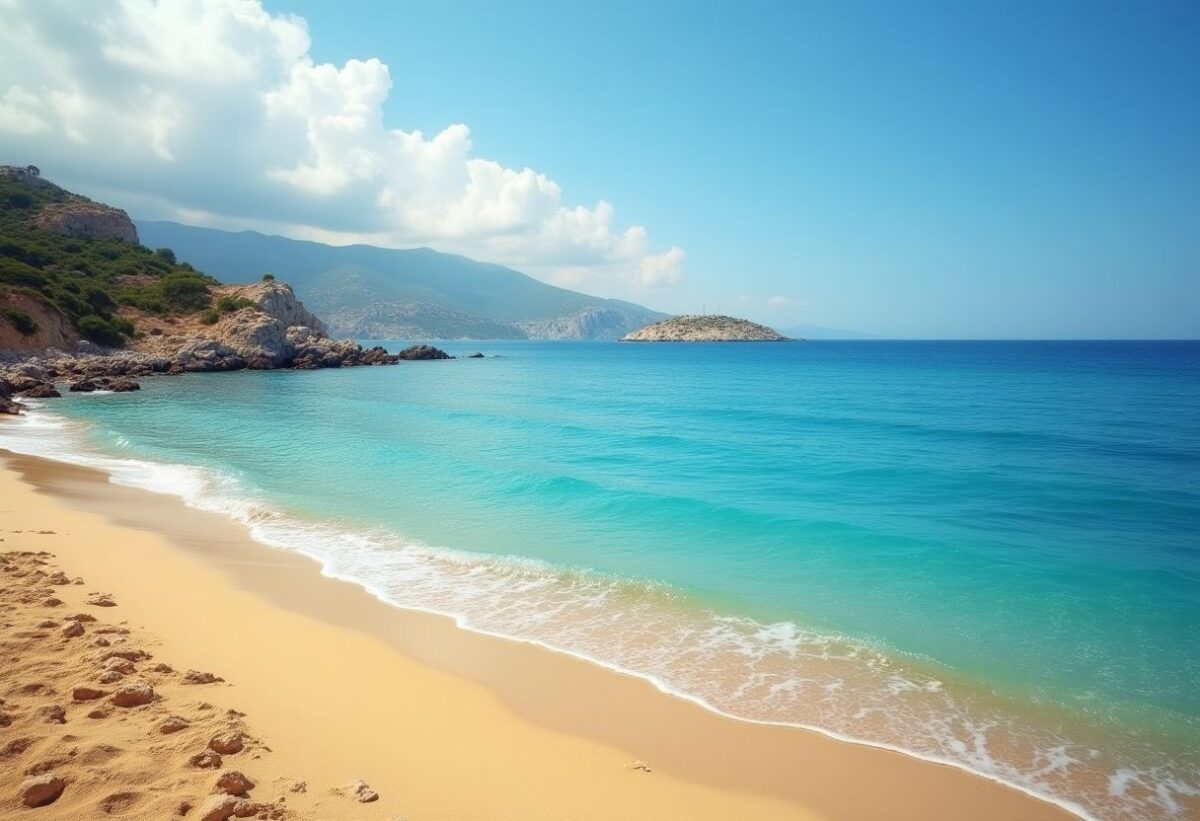
When one thinks of Greece, images of golden beaches and azure seas immediately come to mind. However, the month of November raises a legitimate question: is it still possible to swim comfortably in this Mediterranean paradise as winter approaches? The idea of swimming in autumn may seem bold, but Greece sometimes holds climatic surprises. With its vast coastlines and enchanting islands, the country promises an atypical experience for swimming enthusiasts, even during this time of year.
Climate Trends in Greece in November
The climate in Greece in November varies by region and geographical influences. It is a transitional month where notable changes in weather conditions can be observed.
- Average temperatures: Temperatures in November generally range between 15 and 20 degrees Celsius. Along the coasts, it is common to feel a milder atmosphere, while mountainous or northern regions can be significantly cooler.
- Precipitation: November marks the beginning of the rainy season in Greece. Rainfall is more frequent, particularly in the north and west of the country. That said, the southern regions and islands like Crete can enjoy sunny and clear days.
- Water temperature: The Aegean Sea and the Ionian Sea retain relative warmth thanks to the previous summer. Water temperatures range between 19 and 23 degrees Celsius, making swimming still possible for the more adventurous.
Regional Particularities Influencing Swimming
The geographical diversity of Greece leads to significant climatic variations. These regional particularities play a key role in the decision to swim or not in November.
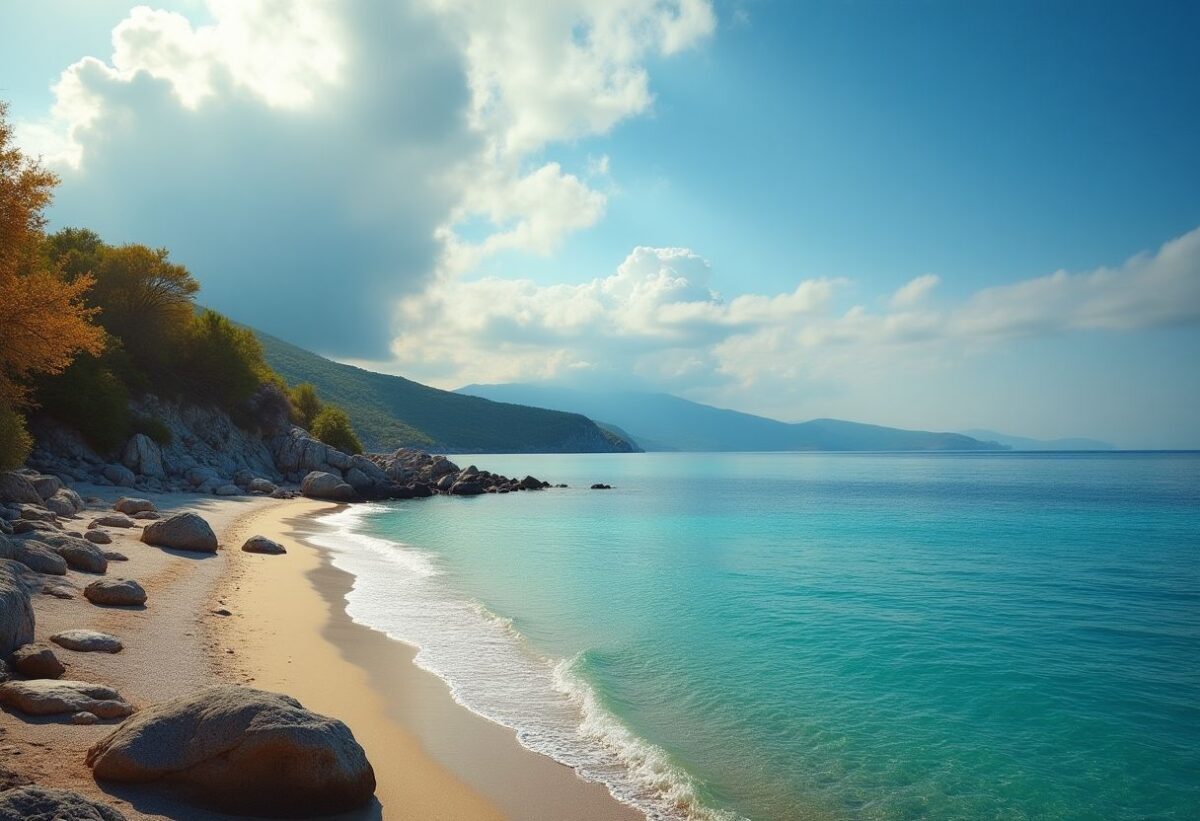
In the south, the region of Crete and certain parts of the Cyclades exhibit a milder climate, often sunny with pleasant temperatures. Crete, in particular, is renowned for its mild climate due to its geographical position. In contrast, northern Greece, including cities like Thessaloniki, often experiences cooler and wetter days. The Ionian Islands, such as Corfu and Lefkada, may be subject to rain, but they also offer dry spells for water activities.
Local Habits and Traveler Experiences
The locals in Greece have their own perception of the November climate, which influences their aquatic activities. Traveler testimonials also shed light on the possibility of swimming.
- Local perception: For Greeks, November is a month when preparations for winter begin. Swimming is not a common activity, but some take advantage of the last days of mild weather to indulge in this practice.
- Traveler feedback: Tourists embarking on a Mediterranean cruise in November often report varied experiences. While some mention refreshing swims under the sun, others highlight the need to be prepared for the whims of the weather.
Alternative Activities in Case of Unfavorable Weather
When the weather is unpredictable, Greece offers a wide range of alternative activities that allow you to fully appreciate the country.
Cultural and historical visits are an excellent way to discover the richness of Greek heritage. Explore the ruins of Athens, the mysteries of the Metéores, or the charms of picturesque villages. Food enthusiasts can savor local flavors in traditional taverns. For hiking enthusiasts, the mountainous landscapes offer beautiful trails to explore, transforming Greece into a true paradise for hikers.
In summary, although November in Greece may present meteorological challenges, it remains an interesting time to explore the country in a different light. Swimming is still feasible in certain regions, but it is wise to plan alternatives to fully enjoy your stay.