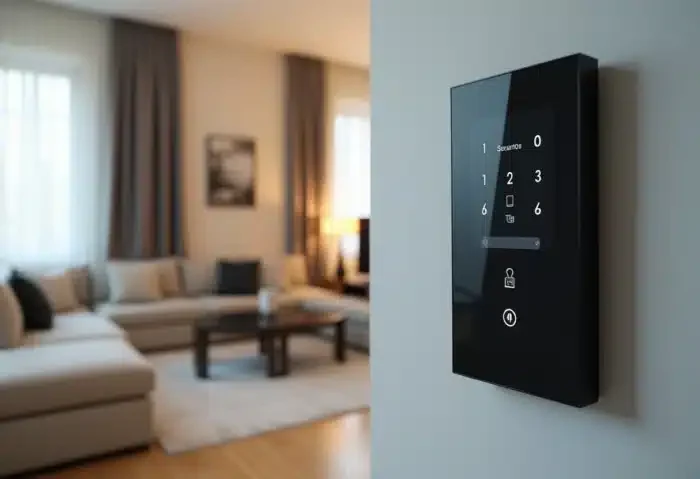
Protecting your home is a major concern for many people. Installing an alarm system is an essential first step, but it’s also important to know how to use it optimally. Common mistakes, such as forgetting to activate it or failing to update it, can reduce its effectiveness.
To maximize the security of your home, make sure to understand the features of your alarm. Knowing the monitoring options, the sensitive areas to cover, and the alert protocols in case of intrusion allows for better reactions to threats. A good maintenance routine and regular updates are also essential.
Best Practices for Optimizing the Use of Your Home Alarm System
The effectiveness of your alarm system relies on a combination of technologies and good practices. Surveillance systems, consisting of connected cameras and smart alarms, are fundamental for ensuring optimal residential security. To get the most out of them, homeowners must understand how to properly configure their devices and manage notifications effectively.
Adopt a Security Routine
Integrate a daily security routine into your life. Activate your alarm system every time you leave your home, even for short periods. Regularly check the opening sensors, motion sensors, and glass break sensors. These devices are essential for detecting any attempted intrusion.
- Opening sensors: Ideal for doors and windows.
- Motion sensors: Detect movements in a specific area.
- Glass break sensors: React to vibrations and the sound of broken glass.
Use Remote Monitoring
Remote monitoring enhances responsiveness to intrusion attempts. In addition to your home alarm system, a remote monitoring service provides continuous vigilance. For example, my Securitas portal allows you to monitor your home remotely and ensure a quick response in case of an alert.
Integrate Home Automation
Home automation radically transforms our approach to home security. By using surveillance cameras and sensors connected to a home automation system, you can monitor and control your home in real-time via mobile apps. This integration not only secures your home but also effectively manages energy and comfort.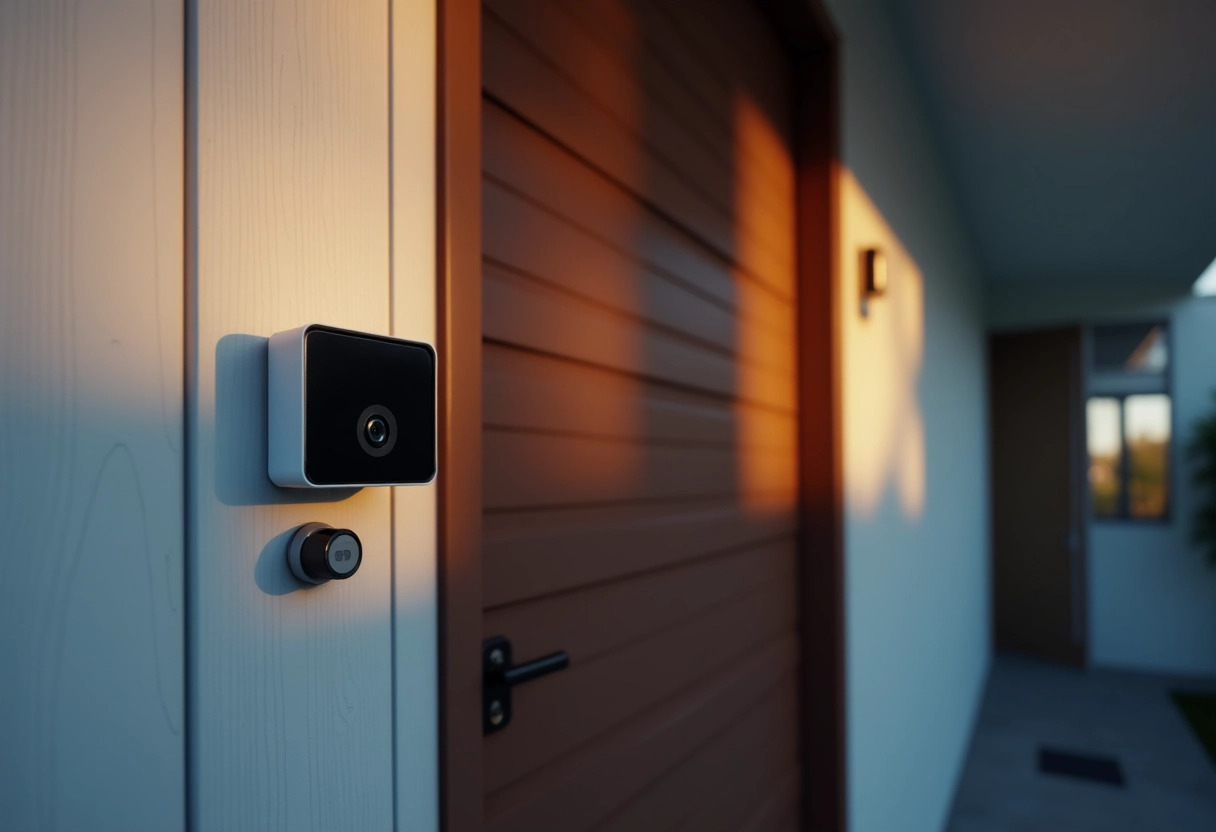
Tips for Maintenance and Continuous Improvement of Your Security System
Preventive Maintenance
To ensure the proper functioning of your security system, preventive maintenance is essential. Regularly inspect all components: sensors, cameras, and alarms. Clean the camera lenses to avoid false alerts caused by dust. Test the sensors to check their responsiveness.
Protection Against Cyber Threats
Residential security systems are increasingly connected, making them vulnerable to cyber threats. Ensure that your Wi-Fi network is secured with a strong password and regularly update the firmware of your devices. Use security software to protect your data.
Integrated Security Program
An integrated security program like the one offered by myPortail.securitas can dynamically respond to your home’s security needs. This includes alert management, real-time monitoring, and rapid intervention by prevention and security agents (APS) in case of an incident.
Continuous Monitoring by Remote Surveillance
A remote monitoring service offers continuous vigilance, day and night. In case of an alert, operators can assess the situation and initiate the necessary intervention procedures. This level of vigilance is fundamental for optimal protection of your home.
- Preventive maintenance: Ensures the proper functioning of your equipment.
- Protection against cyber threats: Secures your connected devices.
- Integrated security program: Dynamically responds to security needs.
- Continuous monitoring: Provides 24/7 vigilance through remote monitoring.