
Manga, these Japanese comics with varied styles and captivating plots, have managed to win the hearts of readers around the world. Their origins date back several centuries, with roots echoing in the illustrated scrolls of medieval Japan. These works of art have evolved over time to become essential elements of global pop culture.
Today, mangas reflect a wide range of themes, from tales of samurai and ninjas to stories of science fiction and romance. Current trends show an increasing diversification, touching on contemporary subjects and attracting varied audiences, transcending cultural and linguistic boundaries.
The Historical Roots of Manga
Diving into the world of mangas, it’s important to trace back to the origins of this artistic genre deeply rooted in Japanese culture. The earliest graphic testimonies date back to the Edo period with illustrated scrolls such as emakimono. These works served to tell stories by combining text and images.
Predecessors
- Hokusai: famous for his ukiyo-e prints, he is often regarded as a precursor to manga. His work ‘Hokusai Manga’ compiles various sketches of Japanese daily life.
- Rakuten Kitazawa: a pioneer in the use of the term ‘manga’ in the early 20th century, he contributed to the popularization of this genre as a distinct art form.
Iconic Figures
The post-war era saw the emergence of iconic figures who shaped modern manga. Osamu Tezuka, often dubbed the ‘god of manga’, revolutionized the genre with works like Astro Boy. He introduced narrative techniques inspired by cinema, laying the groundwork for contemporary manga.
Another notable name is Fujio Akatsuka, author of the famous Tensai Bakabon. He is considered the father of modern comic manga, with works influencing generations of creators.
Dedicated Museums
For enthusiasts and researchers, institutions such as the International Manga Museum in Kyoto and the Osamu Tezuka Museum in Takarazuka offer invaluable insights into the history and evolution of manga. These museums showcase rich exhibitions of artifacts and information about key figures and landmark works.
The history of manga, from its origins to its contemporary transformations, is a MangasOrigine fascinating journey that continues to influence and captivate the world.
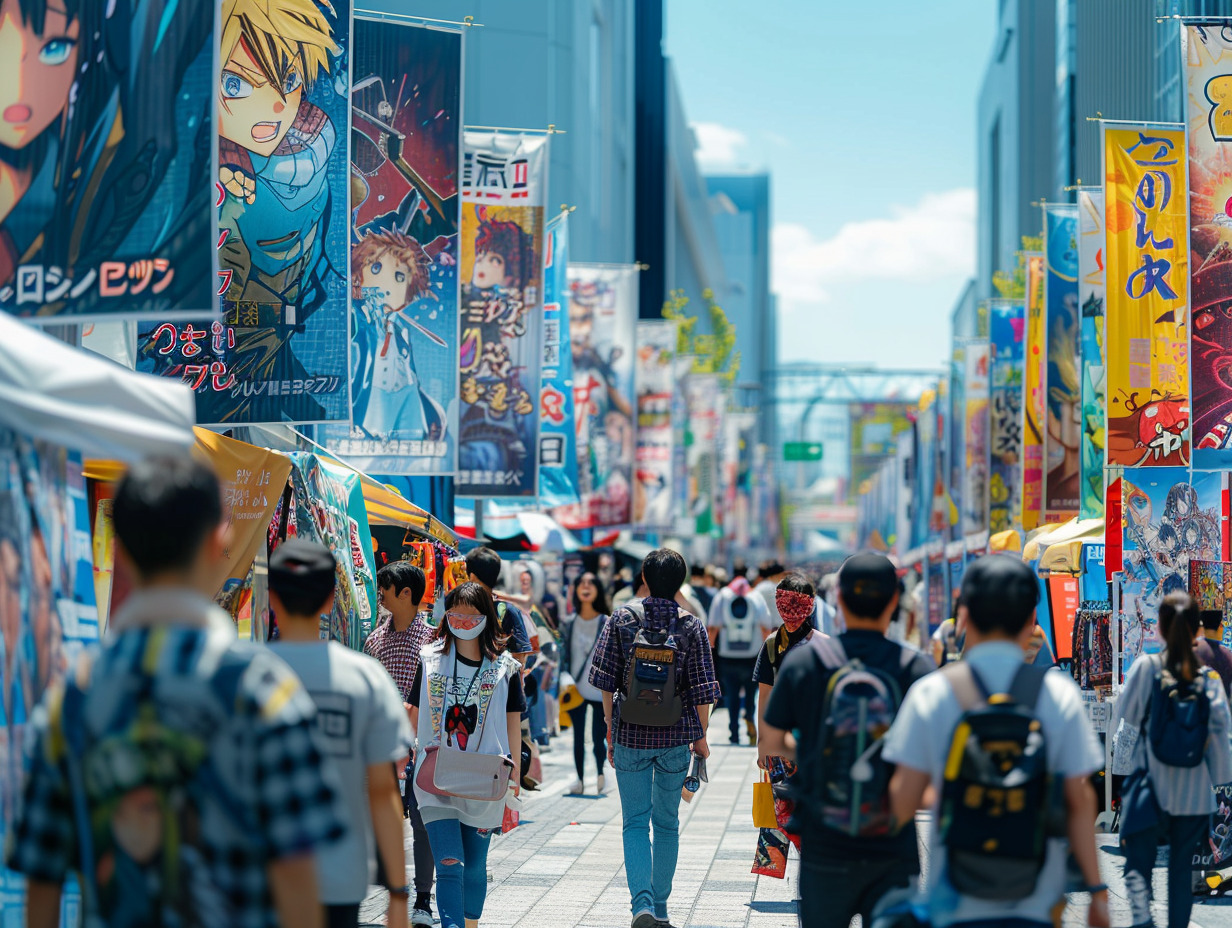
Current Trends and the Future of Manga
The current manga scene is marked by a diversity of genres and influences, reflecting a broad spectrum of themes and audiences. Shonen titles like One Piece, Naruto, and Bleach continue to captivate teenagers with their adventure and self-overcoming narratives. Meanwhile, Shojo series such as Sailor Moon, Nana, and Fruits Basket offer stories centered on relationships and emotions, often aimed at a female audience.
The evolution is not limited to these classic genres. Seinen works, like Death Note and Monster, explore more mature and darker themes, attracting an adult readership seeking narrative complexity. Josei, represented by works like Honey and Clover and Paradise Kiss, addresses the challenges and realities of young adult life.
VOD and streaming platforms play a fundamental role in the global dissemination of mangas and animes. Series like Attack on Titan, One Punch Man, and My Hero Academia benefit from this exposure, attracting fans beyond Japanese borders. Webtoons, with platforms like Line Webtoon, represent a new form of manga consumption, particularly popular in South Korea and expanding internationally.
Merchandising and Japanese animation remain intrinsically linked to this universe. Franchises like Dragon Ball and Naruto, created by authors such as Masashi Kishimoto, generate a thriving parallel economy, ranging from video games to figurines.
The future of manga looks promising, with a constant ability to renew itself while maintaining its historical roots.