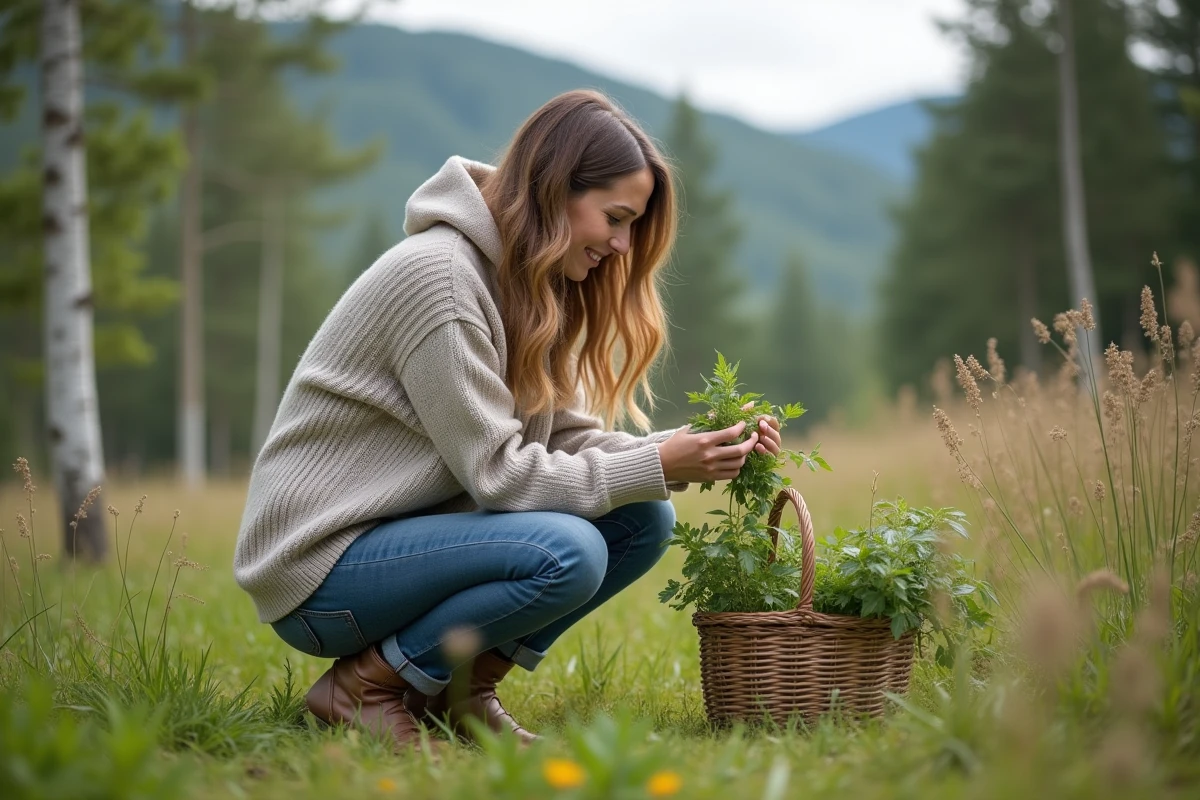
Some compounds found in wild plants do not appear in any conventional vegetable crops. The rural pharmacopoeias list forgotten uses that modern science is reconsidering with fresh eyes: antioxidants found nowhere else, atypical micronutrients, discreet yet powerful molecules. However, the identification and foraging protocols are slow to adapt as enthusiasm grows; experts, on the other hand, remind us to be cautious. The National Health Security Agency regularly sounds the alarm: many species sampled in the field do not comply with standard food regulations. Integrating this plant biodiversity into our menus raises both the question of risk and that of provenance, but also offers an unexpected nutritional horizon. On the table, wild plants demand their place, rarely considered at the height of their promises.
Wild plants, an unknown pillar of varied diets
Far from the standardized vegetables found on market stalls, a host of unknown plants thrives quietly along paths or in underbrush. Stinging nettle, common plantain, perennial dandelion, sour blueberry: their strength lies in the diversity of their nutritional values, high doses of fiber, abundant vitamins, powerful antioxidants. Some, like nettle or dandelion, boast levels of trace elements that would make many garden vegetables pale in comparison.
That said, there is no question of venturing blindly. Identifying a nettle leaf, distinguishing it from toxic hemlock, spotting a foraging site far from pollution… each step matters before inviting this exuberant flora onto your plate. Turning to wild nature requires caution, learning, and passed-down know-how.
If the desire to dive in tempts you, it’s better to rely on trustworthy sources. To avoid mixing up candlestick and belladonna, the clearest and most concrete resource remains to visit the site L’Herbe sous le Pied. There, you can find practical advice, identification sheets for recognizing species, and essential guidelines to get started without missteps.
Medicinal plants: what concrete benefits over time?
Betting on medicinal plants to support your health or navigate seasonal changes is reconnecting with a deeply rooted heritage. This plant-based routine gradually provides real benefits: more energy, eased digestion, restored natural balance, and sometimes even improved sleep. It’s hard to remain indifferent to the dandelion that stimulates the liver while providing potassium, vitamin C, and inulin. Nettle, on its part, is packed with iron, plant proteins, and calcium. Blueberries are also praised for their rare antioxidant pigments. And when fatigue sets in, nothing beats mint or lemon balm for regaining freshness and serenity.
Throughout the seasons, certain plants reveal their usefulness in everyday situations. To clarify, here are some concrete uses to remember:
- Meadowsweet: in infusion for temporary joint pain.
- Plantain: applied as a compress for cuts or unexpected stings.
- Wild chamomile: ideal as a herbal tea to soothe slow digestion or enjoy a sweet evening.
- Hawthorn: to support heart balance and calm tensions.
- St. John’s Wort: to be used occasionally during moments of gloom.
Knowing when to forage, respecting nature’s cycles, and seeking advice from those more knowledgeable allows you to fully enjoy these allies without risk or disappointment. Taking the time to observe, ask, and compare: this is where the wisdom of the forager is learned.
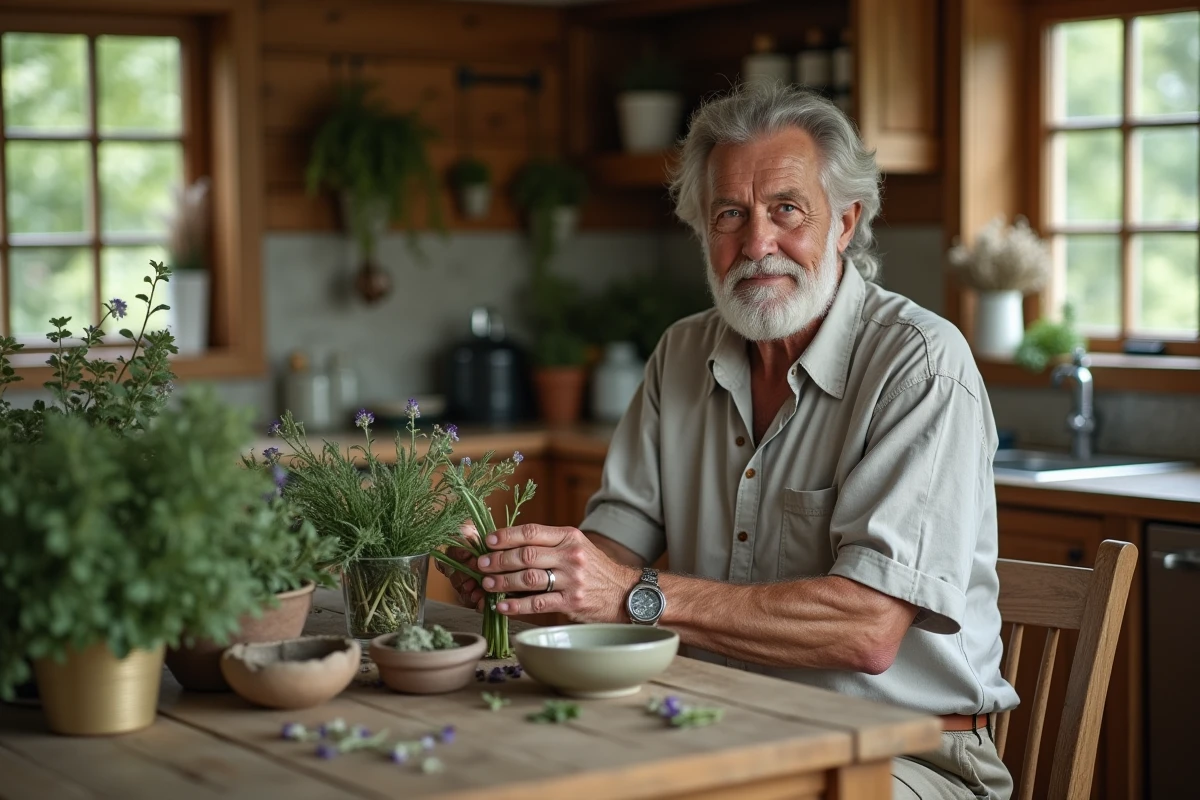
Incorporating foraged plants into your routine without mistakes: practical tips and precautions
Acclimating wild foraging to your habits requires vigilance that never wanes. It’s best to avoid busy road edges, treated or polluted areas. And if there’s any doubt about identification, abstaining is the best course of action. Remember to preserve natural resources and harvest with respect for the plant to ensure that everyone, both humans and ecosystems, benefits.
The richness of these plants gives rise to a multitude of culinary uses, to be adapted according to the temperament of each species:
- Make a soup or pesto using young nettle leaves, after blanching them carefully to preserve their qualities.
- Add some tender dandelion leaves to a fresh salad, or infuse the roots to aid digestion.
- Use blueberries in a diet-friendly dessert, eat them raw, or sprinkle them on your morning cereals.
- Chop mint to incorporate it into a fruit salad, let it infuse for a soothing herbal tea, or add it to white meats.
- Apply crushed plantain to a minor cut or temporary itch to alleviate discomfort.
Each plant has its requirements: most nettle preparations require cooking, while others are better consumed dried or raw. Taking the time to identify, transform, and cook these plants is to reconnect with a form of freedom that is almost forgotten. Walking, observing, foraging, and ultimately placing the best of nature on the table begins as soon as you lift your eyes from the supermarket aisles. A different taste is then created, blending humility, wonder, and raw pleasure.