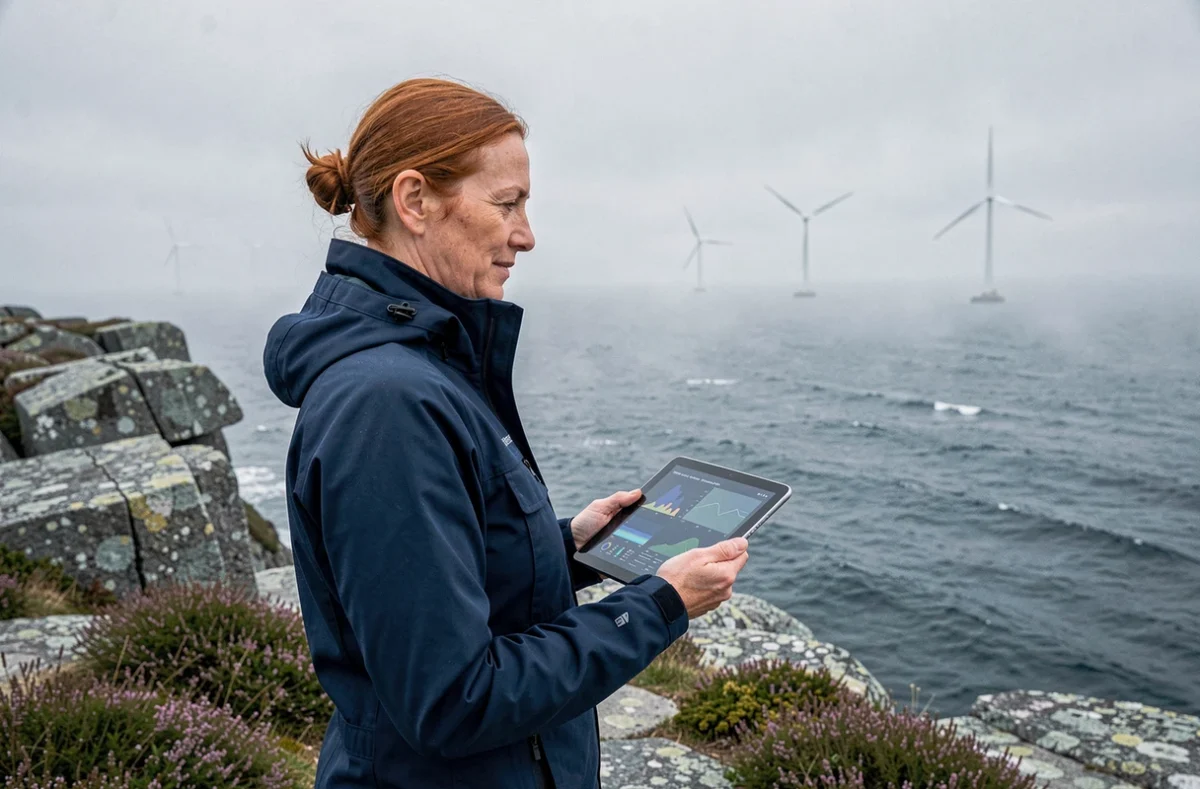
In Brittany, innovation is not confined to research labs or international trade shows. It finds its way into livestock farms, the fiber-optic cables that do (or don’t) reach rural towns, and the cybersecurity alerts that small municipalities now receive. Three practical perspectives show how technology is really changing everyday life in Brittany.
Artificial intelligence on Breton farms: sensors at the pigs’ feet
Have you ever seen a smart thermometer in a home? Imagine the same idea, but in a pig barn. In Ille-et-Vilaine, farms are testing sensors and cameras that continuously monitor water consumption, temperature, and environmental conditions.
This data feeds into what is known as a digital twin of the farm: a virtual replica of the building that can detect an anomaly before it becomes a health problem. If water consumption suddenly drops one morning, the system alerts the farmer, who then decides whether to intervene.
The key takeaway: agricultural AI helps detect problems; it doesn’t replace the farmer. The decision remains in human hands. This distinction matters because it determines whether these tools are accepted in the field. A farmer who feels an algorithm is taking their livelihood out of their hands won’t adopt it.
This kind of trial also raises practical questions. Where is farm data stored? Who can access it? Cybersecurity on a connected farm is no trivial matter when the information concerns animal health and production volumes. For updates on tech news from Destination Bretagne, these topics around AI in agriculture come up regularly.
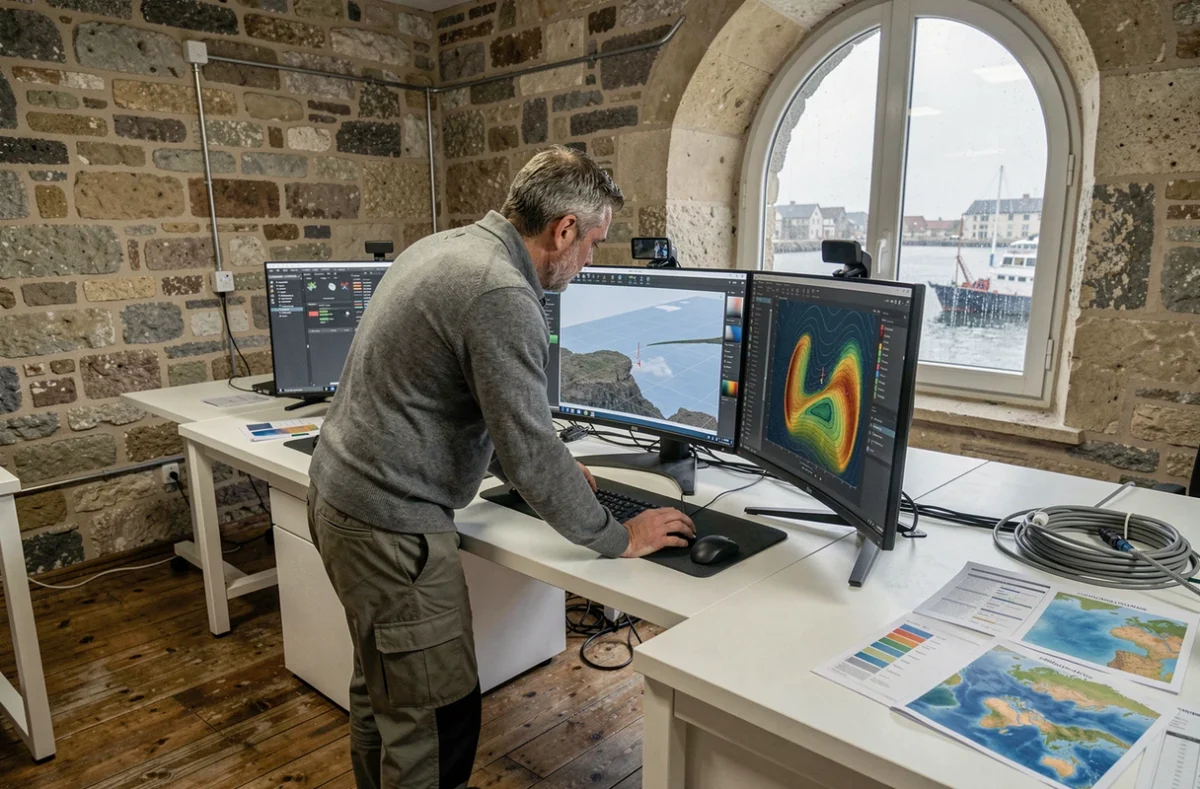
Fiber-optic broadband and mobile coverage in Brittany: the gap between cities and rural areas
In Rennes, Brest, and Vannes, internet connectivity is rarely a source of frustration. But just twenty kilometers away, the situation changes.
Arcep, France’s telecoms regulator, has reported delays at fixed 4G sites, particularly in Brittany. Fixed 4G is an alternative when fiber isn’t yet available: an antenna picks up the mobile signal and converts it into a home internet connection. When these sites are delayed, rural households are left with speeds too slow for remote work or online training.
Without reliable infrastructure, digital innovation remains theoretical. A farmer can’t use a digital twin if their connection drops three times a day. A municipality can’t move its services online if its staff are working with speeds comparable to a 2000s-era modem.
What this means in everyday life
Fiber deployment is progressing nationwide, but local delays create unequal access to digital services. In Brittany, the high number of rural municipalities amplifies this problem. The impact on everyday activities is tangible:
- Working remotely from a town in central Brittany, often hampered by an unstable connection that makes video calls impractical
- Accessing online healthcare platforms (booking appointments, teleconsultations), especially useful in areas with a shortage of doctors
- Completing administrative procedures online, which requires a stable connection to download and send documents
Innovation starts with the network, not the app. This is something that discussions about “digital Brittany” tend to underestimate.
Cybersecurity for Breton municipalities: Breizh Cyber takes on attacks
In 2023, Brittany established Breizh Cyber, a regional center dedicated to cybersecurity for small organizations: municipalities, intermunicipal authorities, associations, and small and medium-sized businesses. The idea is simple: when a town hall suffers a cyberattack (ransomware, data theft, or email system outage), it can call Breizh Cyber for technical assistance.
The center handled incidents in its first year of operation. Nationwide, France’s national cybersecurity agency, ANSSI, recorded attacks affecting local authorities in 2024, confirming that small organizations are frequent targets.
Why small municipalities are vulnerable
A town hall serving 2,000 residents generally has no dedicated IT manager. Its computers are aging, passwords are sometimes shared, and backups are irregular. A ransomware attack can shut down civil registry services, water management, or staff payroll for several days.
Breizh Cyber addresses this specific need by providing expertise that these organizations cannot afford on their own. The stakes go beyond technology. When municipal services are paralyzed, residents can no longer enroll their children in school meals or register a death.

Breton startups and industries of the future: beyond the rhetoric
Brittany ranks among France’s leading regions for digital employment. Companies such as Unseenlabs (satellite surveillance, based in Cesson-Sévigné) and Cailabs (optical telecommunications) are taking this momentum to the international stage. Several Breton startups regularly take part in CES in Las Vegas.
But the vitality of a tech ecosystem is measured by more than funding rounds or awards won at trade shows. It is also measured by the region’s ability to connect innovation with local needs. Green hydrogen, for example, is the subject of practical trials in the region, with projects exploring how to adapt this energy source to local maritime uses.
Renewable marine energy is another key area. Brittany is working to develop its port infrastructure to support offshore wind activities, an undertaking involving infrastructure, training, and logistics.
These industries have one thing in common: they will only transform everyday life in Brittany if the fundamentals are in place. A stable network, local expertise, and secure systems. The most visible innovation isn’t always the one that matters most.